
Ludoz: the die chooses the distance; you choose the piece
Race four tokens home against computer opponents, use safe squares, and weigh a capture against steady progress. Explore the verified Ludoz browser game on Oppoz.
One roll can offer several plans
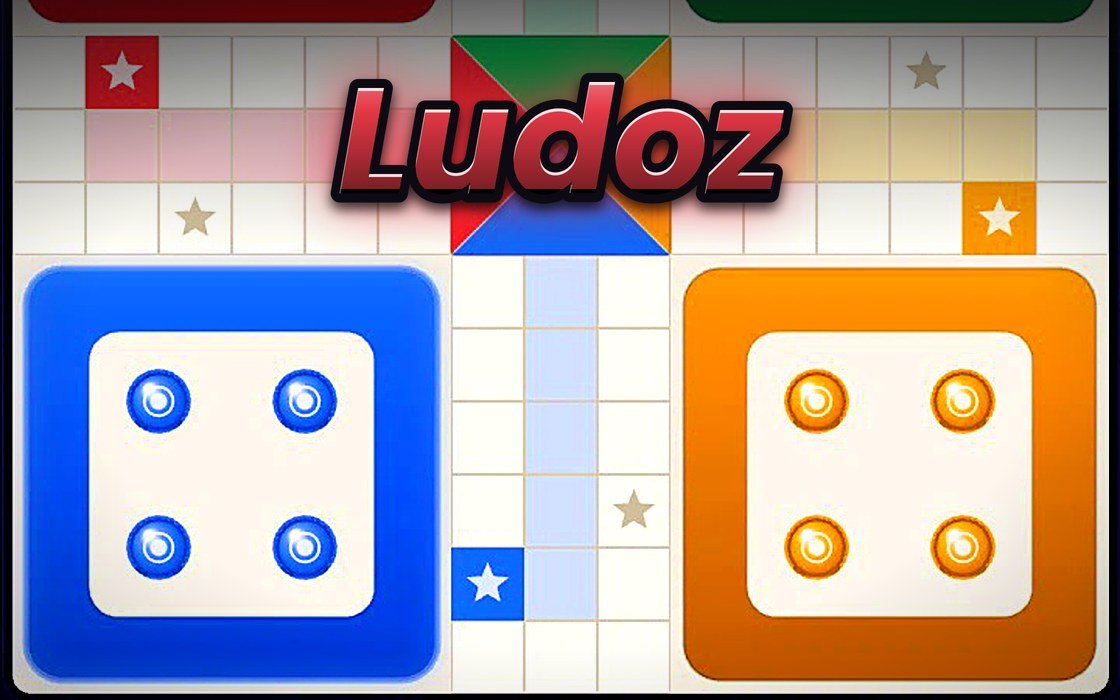
Ludoz brings the familiar coloured board and four-token race into a browser game. Roll the die, move an eligible piece, and try to bring your whole team home before the opposing teams finish. The roll supplies the available distance, but the choice of token can turn that same number into a cautious advance, a fresh start, or a chance to send an opponent back.
The current Oppoz build lets you choose your colour and play against one, two, or three computer opponents. Those opponents are bots, rather than people in an online room. Selecting fewer teams changes the amount of traffic around the track, while a full board provides more opportunities for routes and threats to overlap.
How to play: roll, inspect, choose
Tap the die when it is your turn. A token in the yard needs a six to enter the track. Tokens already moving can advance by the rolled number if that move does not go beyond the finish. When several distinct choices are legal, select the piece you want to move. The game animates its steps and then handles the next turn.
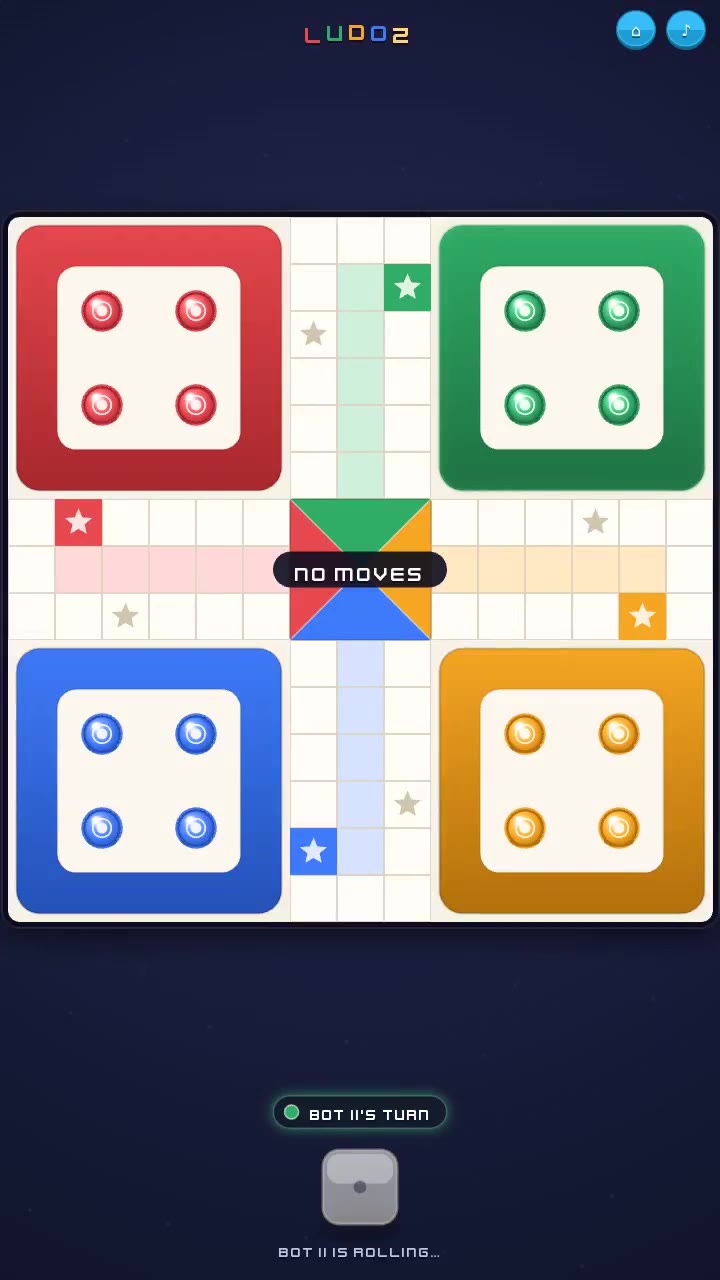
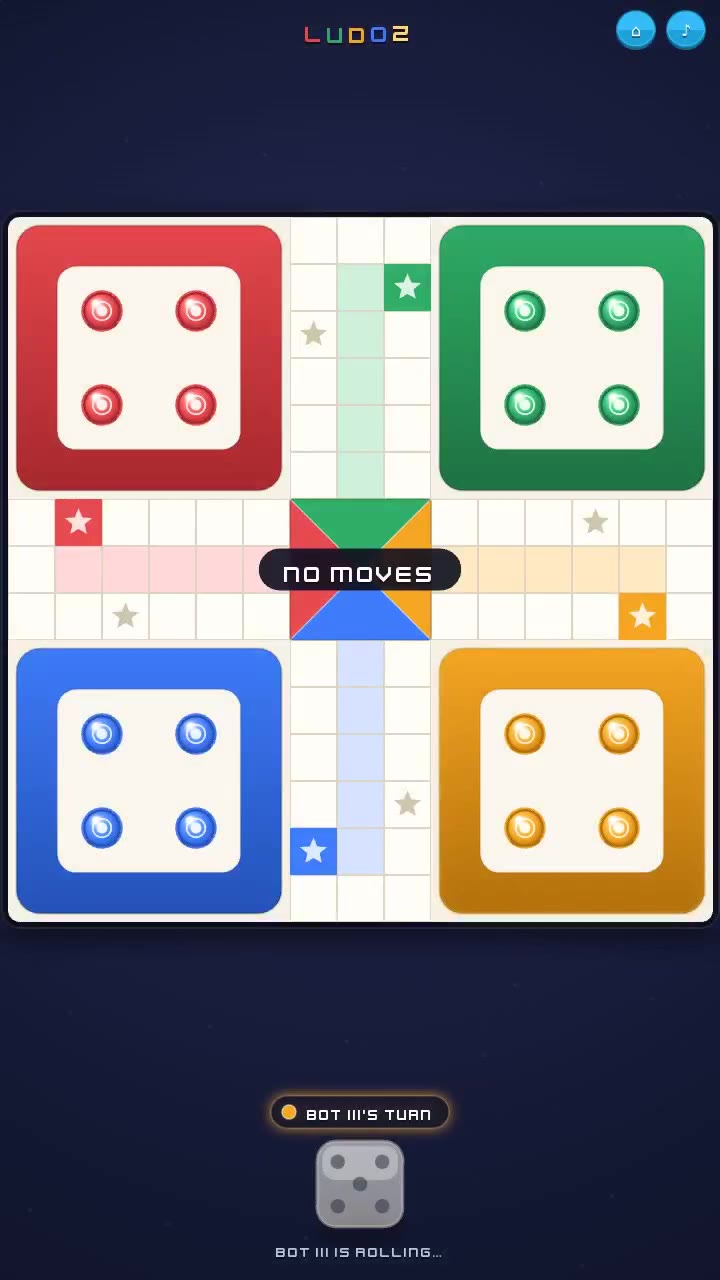
If no legal move is available, the turn passes with a visible message. If there is only one distinct destination to choose, the current build moves it automatically after a brief pause. These small conveniences keep you focused on decisions that actually differ, instead of repeatedly confirming an identical choice between tokens that are all still waiting in the yard.
The route is a place to race and a place to hide
Landing on an opponent’s token on an ordinary shared-track square sends that token back to its yard. Safe squares are exempt from those captures. That distinction gives a route more structure than a simple count toward the finish. A slightly slower piece on a safe square can present a different problem from a leading piece exposed to the next opponent’s roll.
In this build, rolling a six, making a capture, or bringing a token all the way home grants another turn. Reaching the finish requires an exact available move, and the game ends when a team has all four tokens home. Those rules make the final part of the race different from the opening: a very advanced piece may have fewer usable rolls than one still travelling freely around the track.
Why chance still leaves room for judgement
You cannot decide what the die shows, but you can compare the consequences of the legal moves it creates. Bringing another token out gives you more future choices. Advancing a leader moves you closer to finishing one piece. A capture changes an opponent’s position, while a safe square can protect work already done. The useful question depends on what is happening across the board.
My reading of the design is that the automated turn handling makes those comparisons approachable. You see the roll, available pieces, and resulting movement without managing the counting yourself. The bots also consider captures, safety, and progress in the current source. This is an interpretation of the game’s systems, not a developer quotation or a claim that a careful move can remove the uncertainty of future rolls.
Start by looking beyond the nearest token
For a first game, choose a smaller opponent count and learn where tokens leave the yard, enter their home lane, and finish. After each roll, compare at least two legal moves when they exist. Notice whether a piece would land safely or remain within reach of an opponent. That habit makes the same board easier to read when you later add more teams.
A useful session goal is to keep several tokens contributing to the race rather than watching only the piece closest to home. The gallery shows genuine frames from the official Oppoz preview, including bot turns and the no-move feedback. Follow the verified play link below, choose your colour, and see how a different piece choice can change the meaning of the next roll.
Inside the game