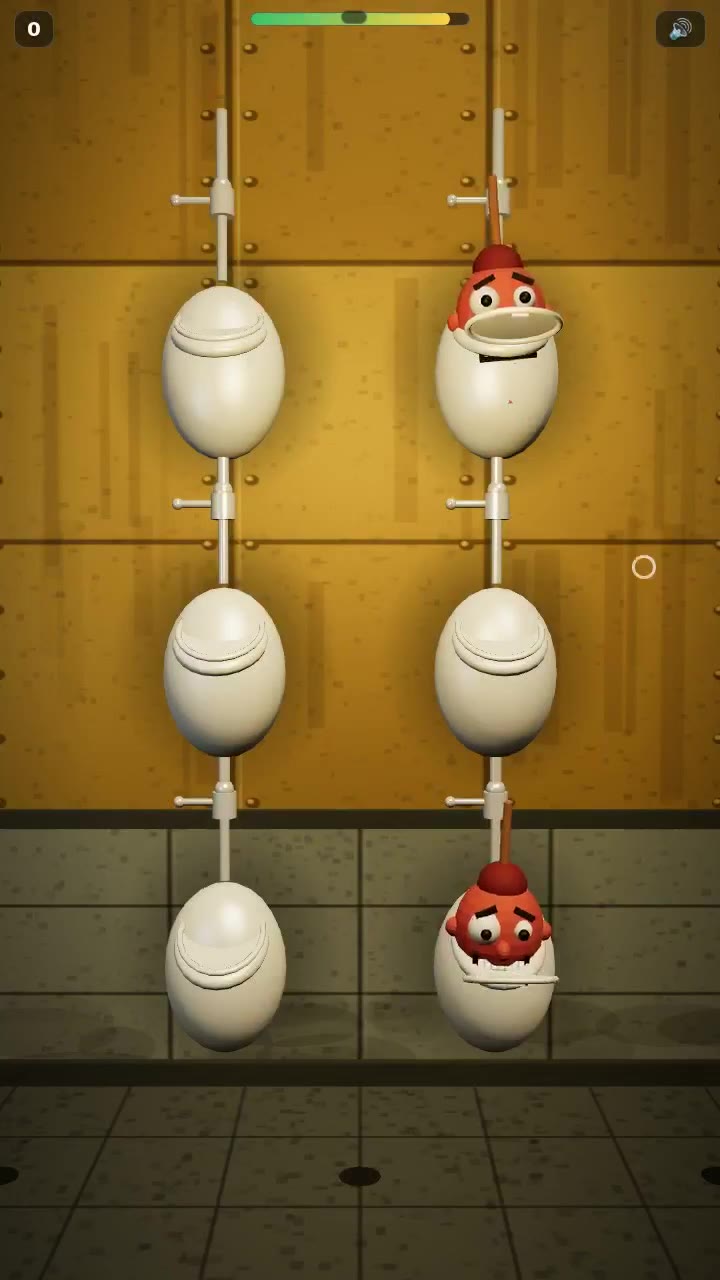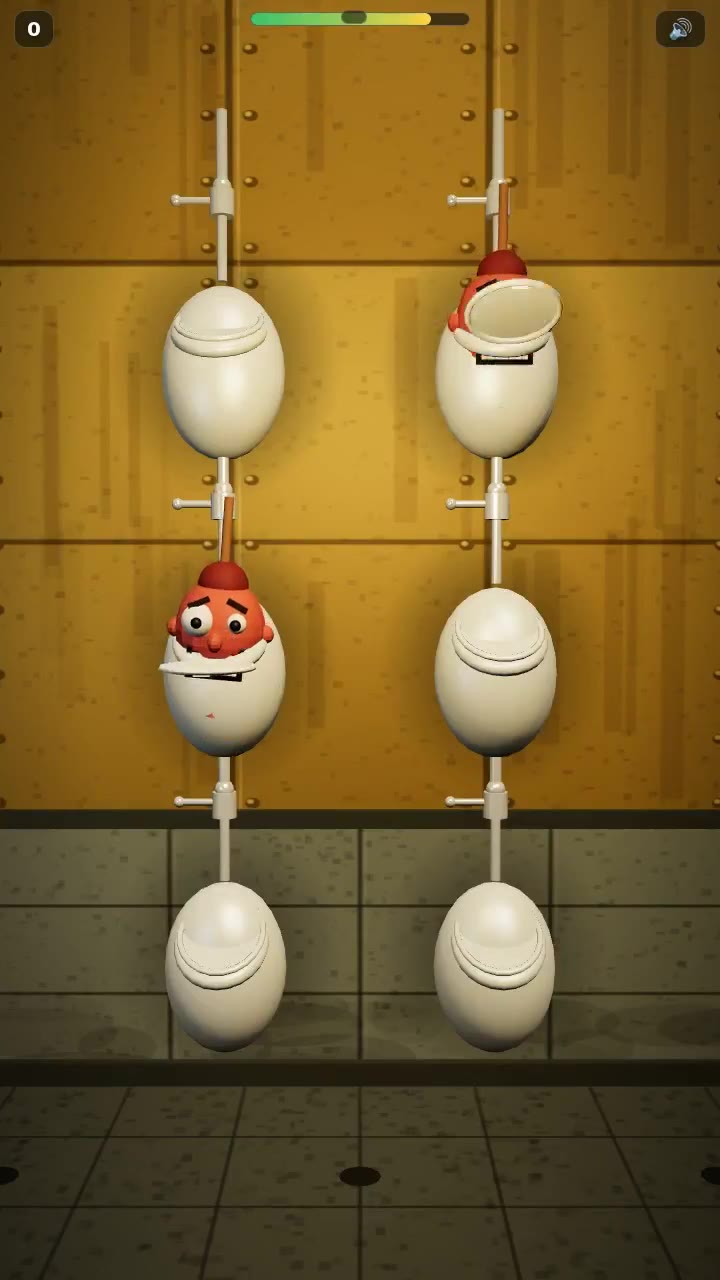

Skibidi Whack 3D: the fastest tap is not always the right tap
Spot ordinary and golden heads, avoid Plunger Guy, and protect your combo through a sixty-second round. Skibidi Whack 3D rewards quick reactions with a moment of restraint.
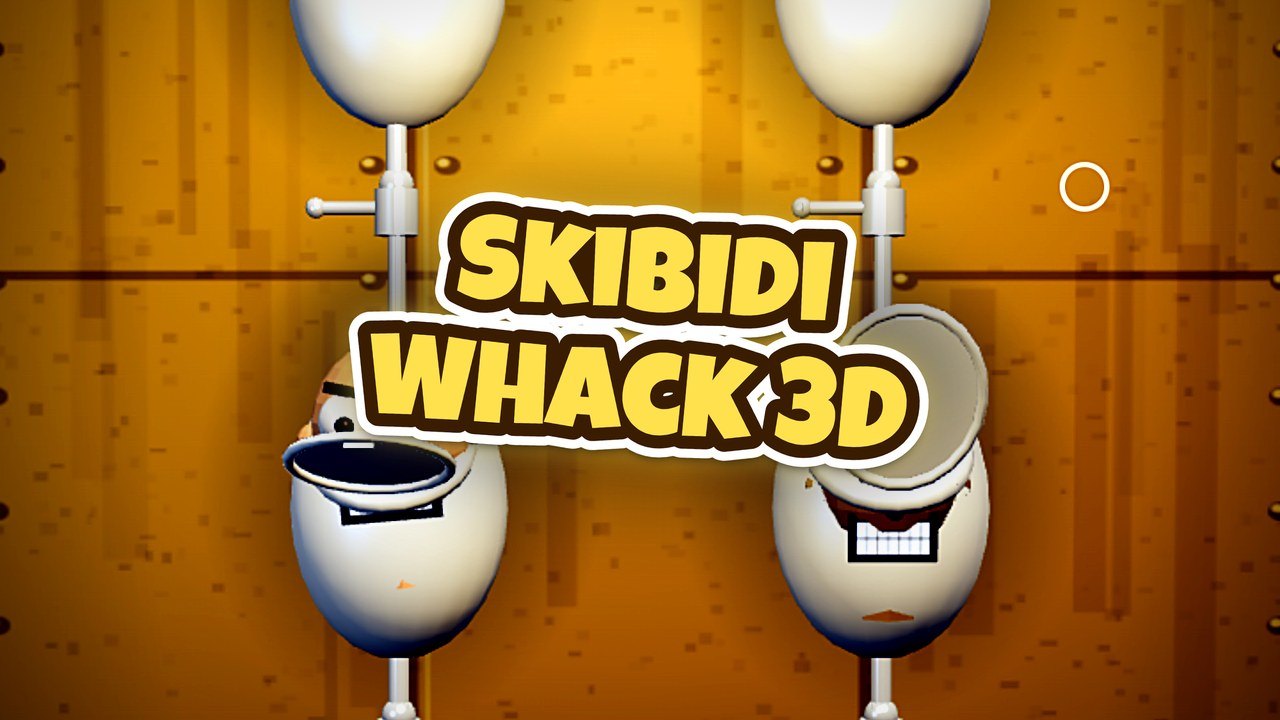
Something moved; should you hit it?
Skibidi Whack 3D puts a wall of pop-up targets in front of you for a sixty-second round. Heads rise, wait briefly, and disappear again. You tap the useful targets before they retreat, while a different character tries to tempt the same reaction. The central challenge is recognising what appeared quickly enough to act, without treating every movement as permission to hit.
The verified Oppoz version explains three categories before play: ordinary heads, golden heads, and Plunger Guy traps. That small rule set makes the first round easy to begin. A higher score, however, asks you to combine recognition with timing, especially once appearances become more frequent and there is less time to inspect each target.
How to play: choose the head, not the empty space
Click on a head with a mouse or tap it on a touch screen. Ordinary heads start at ten points, while golden targets start at thirty. Plunger Guy is the trap and should be left alone. Targets have a brief rising and sinking animation around their visible period, so watch the character itself rather than repeatedly tapping a fixture that was useful a moment earlier.
The current source subtracts twenty points for a trap hit, without taking the score below zero, and resets the combo. A correct hit adds to the combo and gives immediate visual and sound feedback. The same short motion can therefore have a very different consequence depending on whether you identified the target before completing it.
The combo changes what a missed chance costs
Correct consecutive hits build toward larger scoring multipliers. In the current scoring logic, the multiplier increases as the combo reaches groups of five, up to a cap of five times. A golden head can therefore be especially valuable during a strong sequence. That creates a reason to protect a clean run instead of considering each target as an unrelated ten-point opportunity.
Letting a useful head disappear also breaks an existing combo. Choosing not to hit a trap is sensible restraint, but ignoring ordinary targets indefinitely does not preserve the same scoring rhythm. The game asks for a controlled distinction: react to the useful appearance and withhold the reaction when the dangerous one arrives.
Pressure builds inside the same short round
As the round progresses, spawn intervals shorten and heads stay available for less time. Later in the round, the current logic can also introduce another target during a spawn event. Golden targets have an even shorter visible window. The rules remain familiar, while the amount of time available to apply them changes around you.
My analysis of the design is that the trap makes attention more interesting than raw tapping speed. You need both an action and a decision not to act, with the shrinking window connecting them. A small fixed target field keeps the task readable even as the pace rises. These are observations about the mechanics, not claims of documented developer intention or guaranteed improvements in reaction time.
Try a round with one clear priority
For an opening attempt, focus on identifying Plunger Guy reliably before chasing every golden appearance. Keep your gaze broad enough to notice another fixture opening, and make one deliberate selection when you have recognised a valid head. After the round, compare whether lost scoring opportunities came mainly from disappearing targets or from taps you should have withheld. A golden head that vanishes is one missed chance; a trap can also remove the multiplier you were building.
Once recognition feels more reliable, use the combo display as a reason to maintain accuracy through the faster section. The 3D lids, rising heads, particles, and score bursts make each decision visible. The gallery shows genuine frames from the official Oppoz preview, including the trap character. Follow the verified play link below and see how much a short pause for recognition can contribute to a stronger sixty seconds.
Inside the game