
Skyline Swing: learning when to hold on and let go
Swing between city buildings, steer through the air, and turn a series of attachments into a flowing run. A closer look at Skyline Swing's movement and momentum.
A city experienced through movement
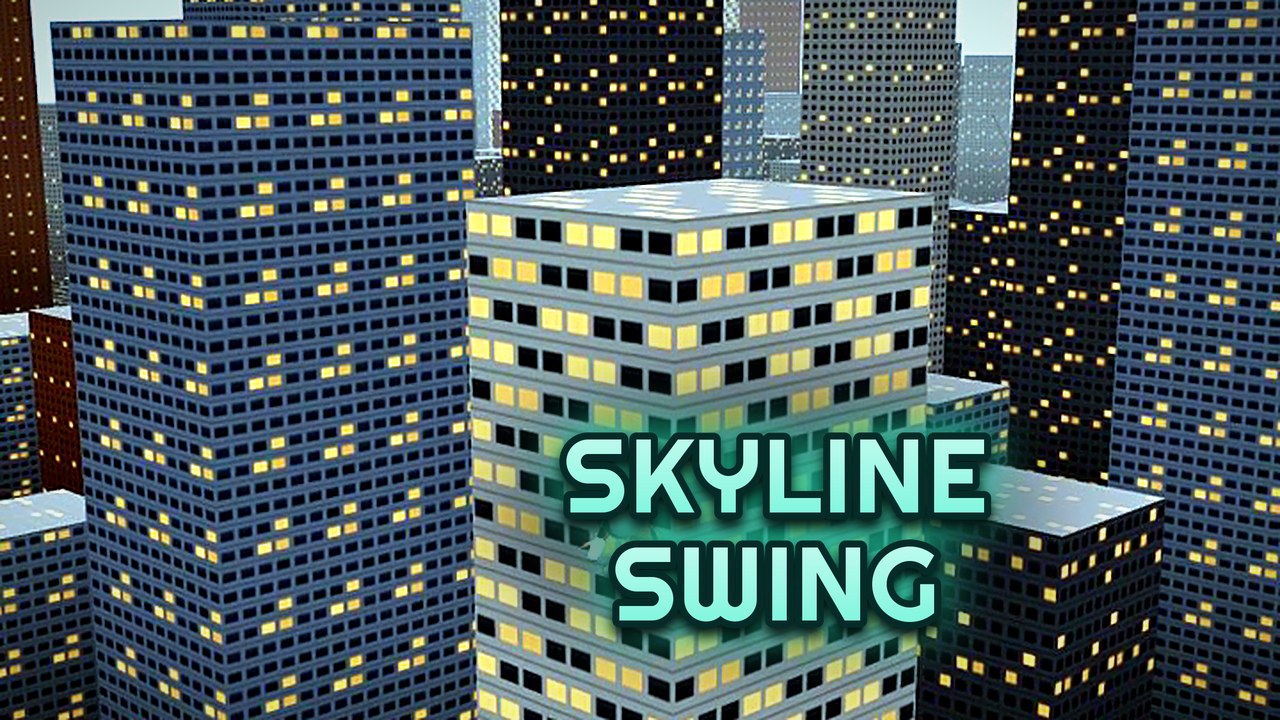
Skyline Swing makes the space between buildings its playground. Your character moves through a three-dimensional city, attaching a web-like line to swing and releasing it to travel freely. Streets sit far below, buildings frame the route, and a moving camera keeps the character's flight in view. The central challenge is not choosing a weapon or building a tower. It is learning how an attachment changes the motion you already have.
That distinction matters when searching for the game, because other titles share similar names. This spotlight covers the Skyline Swing currently live on Oppoz: the city-swinging game with attached and free movement states. Its presentation makes a successful run look fluid, but that flow comes from several small choices about timing, steering, and how long to stay connected.
How to play: attach, steer, reel
On touch screens, hold to use the web, drag sideways to steer, and drag upwards to reel in. Releasing the hold returns you to free movement. On desktop, hold the mouse or Space to swing, use A and D to steer, and W to reel in. R resets the run. These controls separate staying attached from changing your direction, so an attachment is something you can work with rather than simply watch.
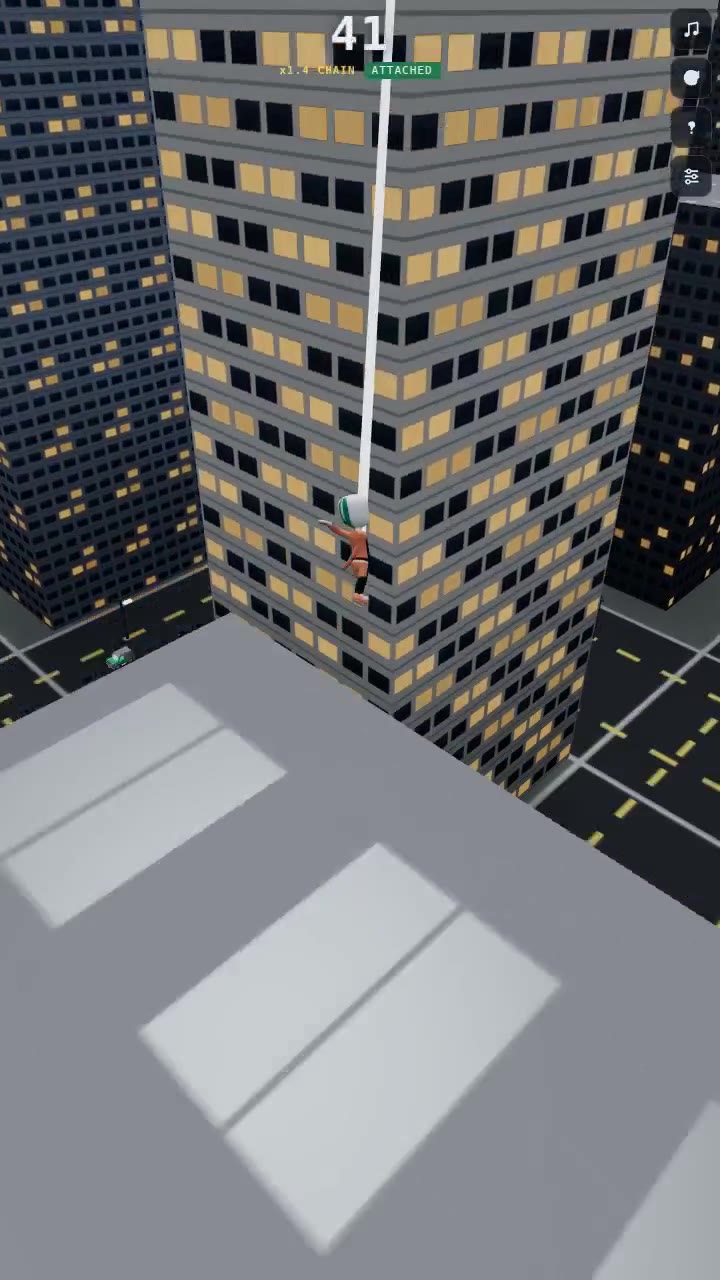
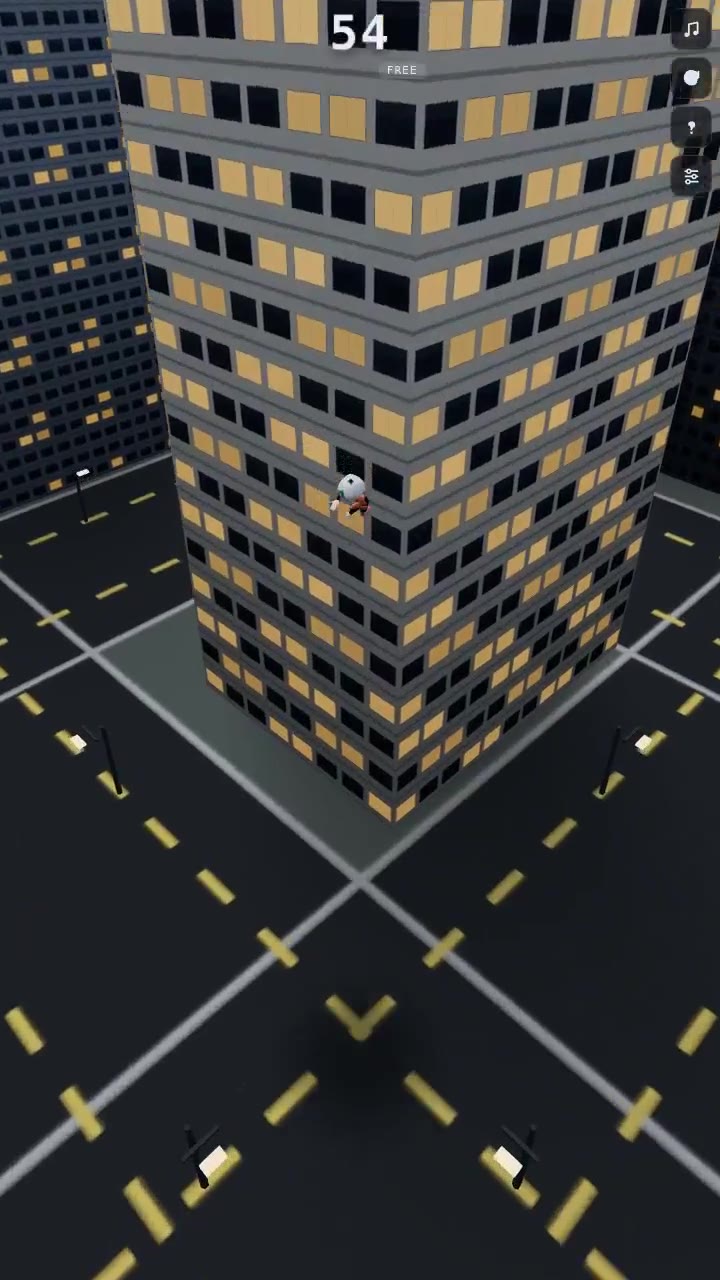
Start by noticing the movement-state indicator. Attached and free describe different situations, while a no-anchor message tells you an attempted attachment did not find a suitable target. The turn-back warning is another cue to reconsider your direction. Rather than holding continuously and hoping the city will provide a route, look at what the character is doing and make the next input in response to that state.
What makes the movement distinctive
Skyline Swing gives the player more control than a single automatic grapple button would. Sideways steering and reeling can change an attached segment, while releasing creates a new free-flight segment. That makes the transition itself interesting. You are choosing when to stop asking the line to guide your movement and when to let the motion carry you towards the next opportunity.
The run also makes its performance visible through more than a final score. The current results screen reports airtime, top speed, distance, swings, best chain, and island hops. A chain indicator can appear during play. Those measures offer different things to notice while learning: a run may teach you how to remain airborne longer even if it does not become your highest-scoring attempt. They describe what happened without making every improvement depend on one number.
The design psychology: building a feeling of control
Our reading of Skyline Swing's appeal is that it turns an initially uncertain motion into something the player can gradually predict. The first attachment may feel like being pulled along. Later, you start recognising the arc, anticipating a release, and steering towards a more useful position. The reward is partly numerical, but it is also the sensation that a movement which once looked chaotic now responds to your decisions.
This is analysis of the current controls and presentation, rather than a statement of the developers' private intentions. The attached/free feedback is useful because it gives a name to a change you can also see. After a wipeout, the movement statistics offer clues about the attempt you just made. A reset then lets you test a different choice without first navigating a long progression system.
Why it is fun — and how to find a first rhythm
The fun comes from connecting moments. A swing, a release, and another attachment can begin to feel like parts of one continuous movement rather than separate commands. The city gives that movement a sense of scale: a short input can send the character through a large visible space. When a run works, the pleasure is in the route and the timing as much as the score at the top of the screen.
For an early session, focus on recognising attached and free states before trying to optimise everything at once. Experiment with a release timing, observe the resulting flight, and then try a small steering adjustment on the next run. Use the state messages when an attachment fails instead of repeating the same hold blindly. The link below opens the verified Oppoz game; this article does not assert availability for similarly named games on other platforms.
Inside the game